24/7 dispatch, based in Cooper City

Drain clog repair in Cooper City

A clog at one fixture and a clog in the main line look similar from the sink, so the first step is figuring out which one is actually happening before choosing a tool.

  • Diagnosed at the fixture before assuming the main line
  • The right tool for the actual clog, not a default one
  • Camera confirmation when a clog keeps returning

How can I tell if a clog is just one drain or the whole line?

A single slow or blocked fixture, one sink, one tub, one toilet, almost always means the clog sits close to that fixture, in the trap or the branch line feeding it, and it clears without affecting anything else in the house.

When more than one drain backs up together, and it is usually whichever fixture sits lowest in the house, that points further downstream, to the main line carrying everything out to the county connection.

The tool that clears one is not always the tool that clears the other. A hand auger reaches a fixture-level clog; a main line usually needs a machine built for a longer run, or a camera first if it keeps coming back.

Describing where the slowdown shows up, and whether it happens alone or alongside another fixture acting up, helps narrow that down before anyone arrives, which is why that detail is worth mentioning on the call rather than saving it for the visit itself.

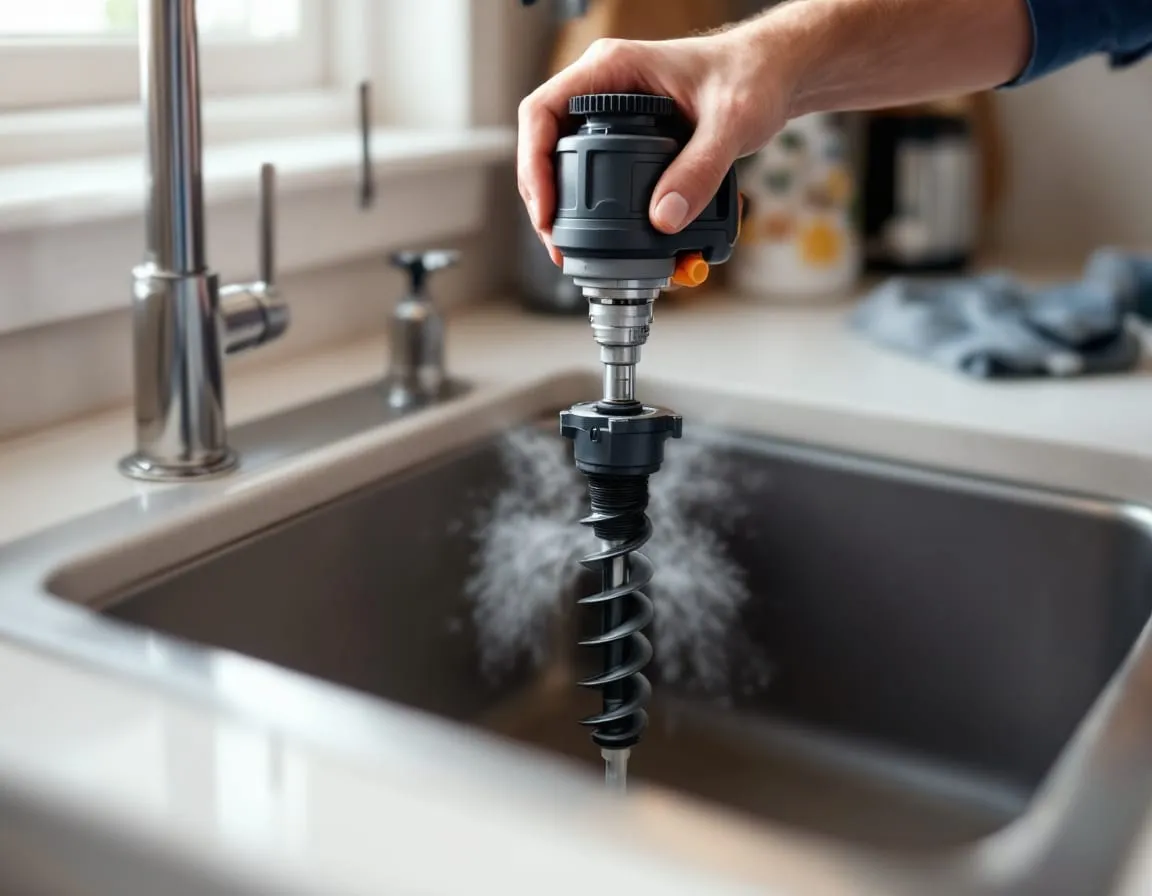
Reading the clog before calling

What the symptom usually tells you

Where the slowdown shows up is the first clue to how big the actual problem is.

  • One sink drains slowly

    Usually local to that fixture’s trap or branch line, a straightforward fix at the point where it is happening.

  • A tub backs up when the washing machine runs

    A sign the two share a branch line somewhere before the main, worth checking both together.

  • A toilet that gurgles when another fixture drains

    Air finding its way back through a line that is not moving freely, often a main-line symptom.

  • The same clog keeps coming back after clearing

    Worth a camera look rather than clearing it a third time, since something is causing it to recur.

  • Every low drain backs up together

    The clearest sign the blockage sits in the main line, not any one fixture.

What tends to cause clogs here

A few Cooper City specifics worth knowing

The plumbing behind the wall is not generic, and neither is what usually ends up in it.

Older cast iron sections narrow with scale over time

In Cooper City homes from the earlier development decades, cast iron drain lines corrode and narrow from the inside over time, so a modest amount of debris backs things up sooner than it would inside a newer, full-diameter PVC line.

Mature landscaping means more root intrusion at older joints

Established trees common across the city’s earlier subdivisions send roots toward any moisture, including a slightly leaking pipe joint, and that is a common reason a main-line clog keeps recurring.

Frequently asked

About clearing a clog

Should I try a store-bought drain cleaner first?

Chemical drain cleaners can damage older pipe, cast iron especially, and they do not address a main-line clog at all. A mechanical clear is usually the safer first move.

How do you know if it is my line or the fixture?

Where the backup shows up is the first clue, and a camera inspection confirms it when the clearing alone does not settle the question.

Will clearing the clog damage older pipe?

A cable or jetting tool sized to the line’s condition is chosen with that in mind, and an older or already-compromised line gets handled more carefully than a newer one.

What if the clog comes right back after you clear it?

That is usually the sign of a structural issue, a root intrusion or a scale buildup, worth a camera inspection rather than clearing it again.

Start here

Diagnosed before it gets cleared

The estimate is free either way. A clog at every low drain is worth a same-day call, not a wait-and-see.

(954) 568-8152