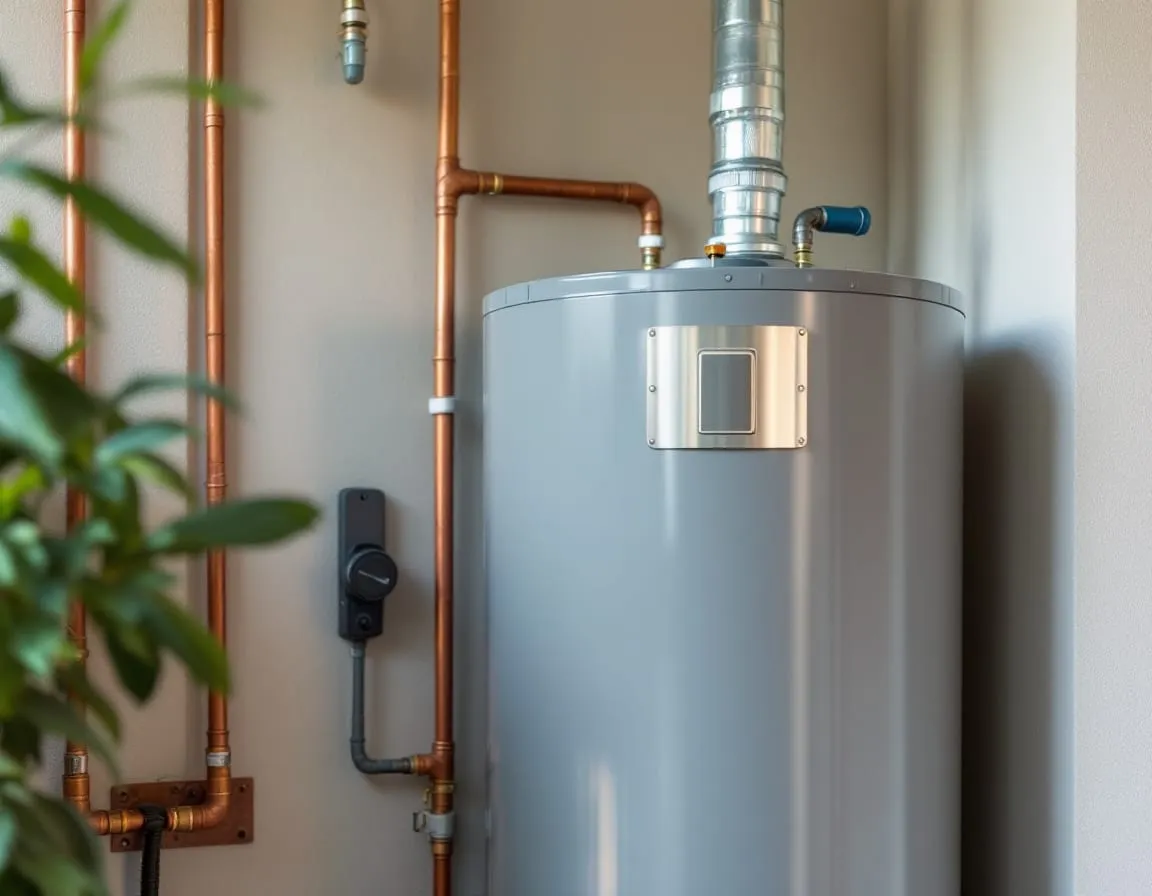
Garage-mounted units are the norm
The ranch-style homes common across Cooper City’s family subdivisions typically place the water heater in the garage, which affects venting access and how straightforward a given repair is.
24/7 dispatch, based in Cooper City
The actual part gets diagnosed first, thermostat, element, valve or tank, so a repair is recommended when it genuinely fixes the problem instead of a default push toward replacement.
What usually goes wrong with a water heater that can actually be repaired?
A failed thermostat or heating element is one of the most common repairable issues on a tank unit, showing up as inconsistent temperature or a tank that will not heat at all despite the pilot or power staying on.
Sediment buildup at the bottom of a tank, especially in an older unit that has not been flushed regularly, can cause rumbling noises and reduced efficiency without meaning the tank itself has failed.
A tankless unit throwing an error code often points to a specific sensor or flow issue rather than the whole unit needing replacement, and reading that code correctly is most of the diagnosis.
A worn anode rod deserves a mention too, since it is one of the smaller, more overlooked parts inside a tank, and checking it can sometimes explain symptoms that would otherwise look like the tank itself is on its way out.
What usually means repair, not replacement
None of these necessarily mean the unit is done for.
Often a thermostat or element issue rather than a tank failure.
Usually sediment buildup at the bottom, addressed with a flush rather than a new unit.
Points to a specific component, worth diagnosing before assuming the worst.
A fitting or valve leak is a straightforward repair, distinct from a tank that is leaking at the seams.
What shapes a repair visit here
Where the unit sits and what feeds it change what the repair actually involves.
The ranch-style homes common across Cooper City’s family subdivisions typically place the water heater in the garage, which affects venting access and how straightforward a given repair is.
A water heater fed by a private well can see more mineral buildup than one on county water, which changes how often sediment-related repairs come up on those properties.
A tank installed when a family subdivision was first built has usually had at least one prior owner and one prior repair, and pulling that history, where it exists, helps decide whether one more repair still makes sense.
Frequently asked
Usually, if the tank itself is sound and the issue is a specific part. That comparison gets laid out honestly once the actual problem is diagnosed.
Most part-level repairs, a thermostat, an element, a valve, are completed in a single visit.
Yes, both tank and tankless systems are diagnosed and repaired.
If the tank itself has failed or the unit is old enough that repair does not make financial sense, that gets said directly, with replacement discussed as the next step.
It can, on request. A worn anode rod is one of the more overlooked reasons a tank ages faster than it should, and checking it is a small addition to most repair visits.
Start here
The estimate is free either way. Lukewarm water is usually a smaller fix than it seems.
